DOUBLE-SIDED ILLUMINATED PROJECTING SIGNS


Double-sided illuminated projecting signs are LED blade signs mounted perpendicular to the building facade. With two display faces, they are visible from both pedestrian directions and help customers quickly locate a store, entrance, or service point in urban environments.

PRETENDE designs, manufactures, and delivers projecting signs as premium architectural signage systems — not as random lightboxes sticking out from the facade. We tailor the form, structure, lighting, materials, mounting method, power supply, and installation scope to the specific facade, brand character, and site conditions. A well-designed projecting sign operates exactly where users actually move: along the sidewalk, street, arcade, or circulation route. During the day, it builds recognition through form, proportion, and material. After dark, it enhances visibility with controlled LED illumination. The goal is not just to display a logo. The goal is to organize the entrance, increase storefront visibility, and create a sign that aligns seamlessly with the facade, the brand, and the standard of the location.
Send a photo of the façade, the approximate installation location, the logo, and the expected size of the projecting sign.
Based on this, we will assess whether a projecting sign will be the right solution for this location,
how it should work in relation to pedestrian traffic flow, and what technical constraints must be considered before production.
We will verify the proportions relative to the façade, the possibility of secure mounting, the method of power supply routing, visibility from both directions,
the type of illumination and the scope of the project. This way, the decision about the projecting sign will not be a choice of a random shape,
but a deliberate adaptation of the signage to the brand, the façade, and the real performance of the sign in the space.

What are projecting signs

PROJECTING SIGN VISIBLE ALONG THE FACADE

A projecting sign is mounted perpendicular to the facade, allowing it to capture the attention of people walking along the street, arcade, or sidewalk before they are directly in front of the premises. The double-sided version is visible from both directions, making it ideal for restaurants, cafés, boutiques, clinics, hotels, and service businesses.

FACADE SEMAPHORE, BLADE SIGN AND PROJECTING SIGN

In international terminology, facade semaphores are referred to as blade signs, projecting signs or double-sided projecting signs. In Poland, the terms facade semaphore and double-sided projecting sign are commonly used. At PRETENDE, we use the term facade semaphore because it best describes a sign extending beyond the building’s façade, visible from the direction of traffic and guiding customers to the premises.

FLAT SIGNAGE WORKS FROM THE FRONT, PROJECTING SIGNS FROM THE DIRECTION OF TRAFFIC

Flat signage is most visible when viewed head-on, whereas a projecting façade sign can be noticed from the side, along the natural direction of pedestrian traffic. This makes it ideal for narrow façades, less visible entrances, dense urban developments and areas with heavy signage saturation.

  • Sign visible from the street
  • Blade sign and projecting sign
  • Blade sign vs flat sign

Visibility and Applications

WHEN YOUR PREMISES NEED TO BE VISIBLE FROM TWO DIRECTIONS

An illuminated projecting sign is the right choice when your premises need to be visible from the sidewalk, street, promenade, arcade, or pedestrian walkway. It works particularly well in locations where people move along the façade and look for the entrance while on the go.

LED illumination enhances visibility after dark, in low street lighting conditions, and in areas with a high level of visual stimuli. The light should be even, subtle, and aligned with the brand’s character.

PROJECTING SIGNS FOR RESTAURANTS, HOTELS, CLINICS AND BOUTIQUES

Projecting façade signs are ideal for restaurants, cafés, hotels, apartments, clinics, medical practices, boutiques, showrooms, service premises and multi-tenant buildings. Their form should reflect the character of the venue: creating atmosphere for a restaurant, ensuring clear visibility for a clinic, and emphasizing proportions, materials, detailing and lighting for premium hotels and boutiques.

WHEN TO CHOOSE A DIFFERENT SOLUTION

A projecting sign is not always the right choice. If the façade does not allow for secure mounting, the property manager limits the projection, the pavement is too narrow, or the sign could interfere with pedestrian traffic, a wall-mounted lightbox, 3D letters, entrance signage, an information board, a pylon, a totem, or a wayfinding system may be a better solution. At PRETENDE, we start by selecting the right format based on the location, visibility, structural conditions, and responsibility for the final result.

  • When to Choose an LED Signal Light
  • Where it works best
  • When to choose another solution

Types, Materials and Lighting

PROJECTING SIGN SHAPES TAILORED TO THE LOCATION

Projecting signs can be circular, rectangular, lightbox-style, metal, illuminated or non-illuminated, featuring a 3D logo or a CNC‑routed detail. A round projecting sign works perfectly for cafés, restaurants, hotels and lifestyle brands, a rectangular format delivers a more neutral and technical look, while a premium metal projecting sign highlights the architectural character of boutiques, clinics, hotels and high-end venues.

MATERIAL AND FINISH OF THE PROJECTING SIGN

A projecting sign is viewed up close, which is why not only the logo and illumination matter, but also the thickness, edges, surface quality, mounting system, and finishing details. Depending on the project, we use aluminium, steel, powder coating, acrylic, illuminated faces, CNC-milled components, and dimensional elements tailored to the brand and the façade.

EVEN AND CONTROLLED LED ILLUMINATION

LED illumination in a projecting illuminated sign should enhance visibility after dark, without hotspots, light leaks, visible LED points or excessive glare on the facade. The quality of the light is determined by the depth of the lightbox, the layout of the LED modules, diffusion, face material, light colour, access to power supply and the possibility of future servicing.

  • Types of Traffic Signals
  • Materials and Finish
  • LED backlighting

Installation, process and responsibility

SEMAPHORE BRACKET AND MOUNTING

The installation of a projecting facade sign must take into account its weight, projection, substrate type, wind loads, anchoring method, cable routing, and service access. At PRETENDE, we treat the bracket, fixings, and electrical installation as an integral part of the project to ensure the mounting is safe, aesthetically refined, and fully aligned with the façade.

FROM FACADE ANALYSIS TO PROJECTING SIGN INSTALLATION

We begin the projecting sign implementation process with an analysis of the facade, traffic flow directions, installation height, visibility, power supply, technical feasibility, and administrative constraints. We then determine the form, dimensions, proportions, structure, materials, LED illumination, mounting method, and installation scope, carefully controlling component alignment, edge quality, light uniformity, and the aesthetics of the brackets.

MOST COMMON MISTAKES WITH PROJECTING FACADE SIGNS

The most common mistakes with projecting facade signs include poor graphic contrast, uneven illumination, overly heavy form, inadequate structural design, unattractive mounting, lack of service access, and designs created without site analysis. Quality is determined by proportions, edge finishing, light color, power routing method, projection distance from the facade, visibility from both directions, and the final result after installation.

  • Facade mounting
  • PRETENDE Process
  • Most common mistakes

A BEACON THAT GUIDES THE EYE TO THE ENTRANCE

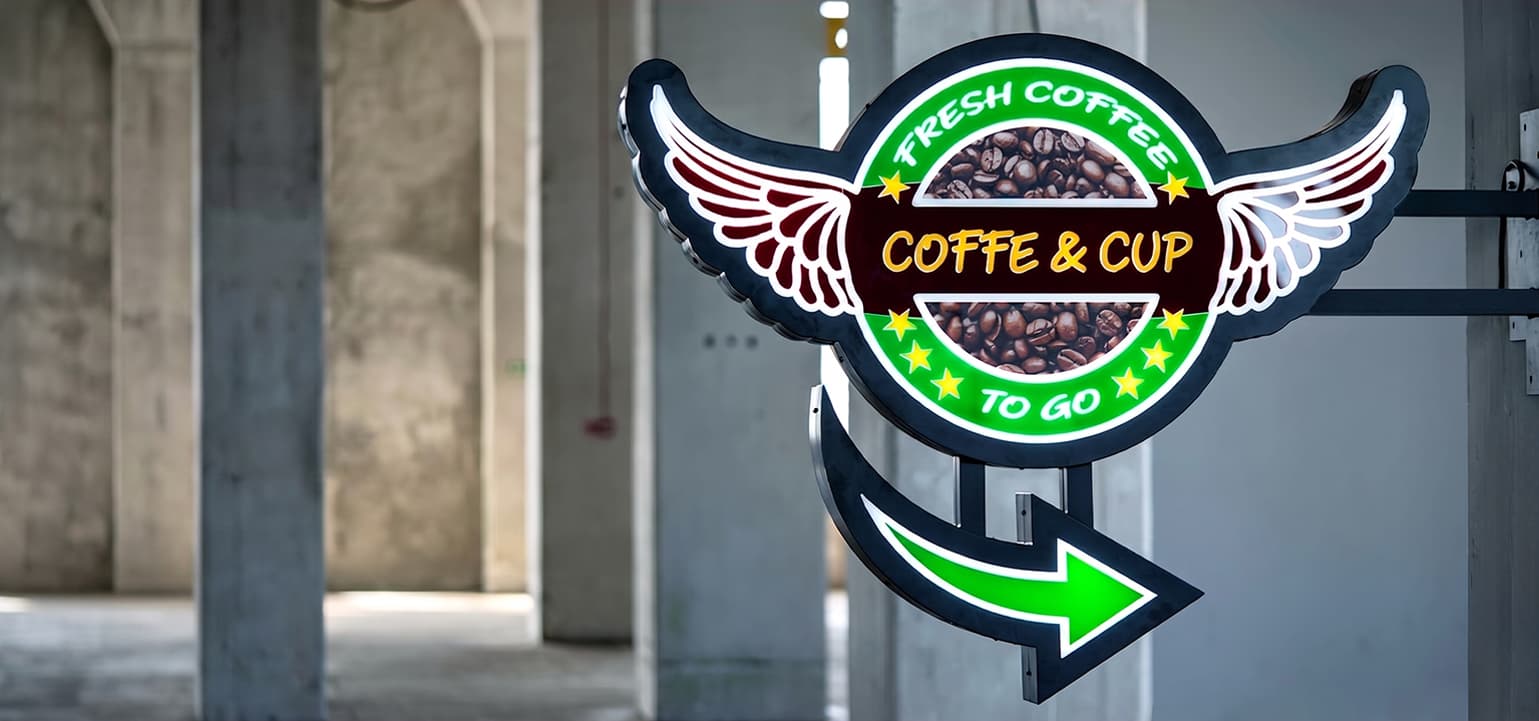
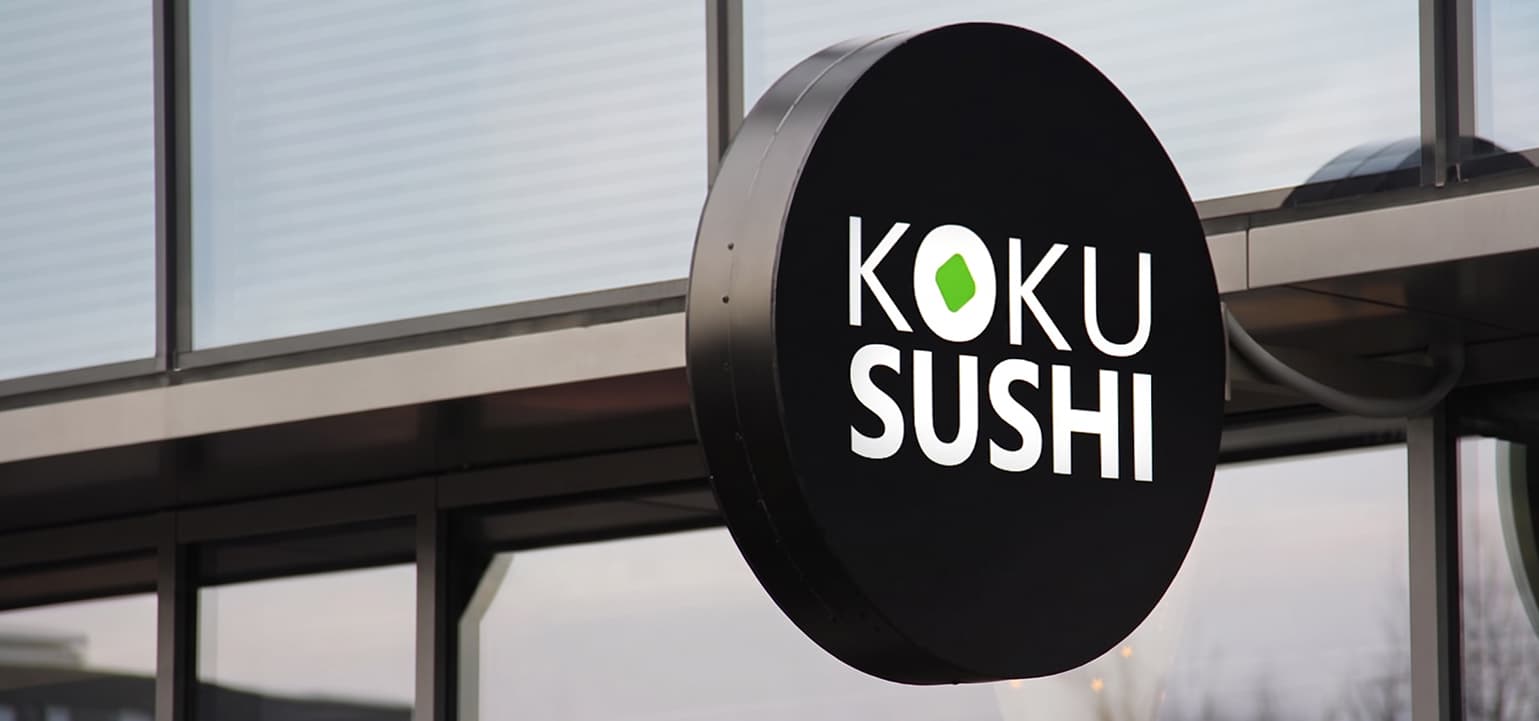
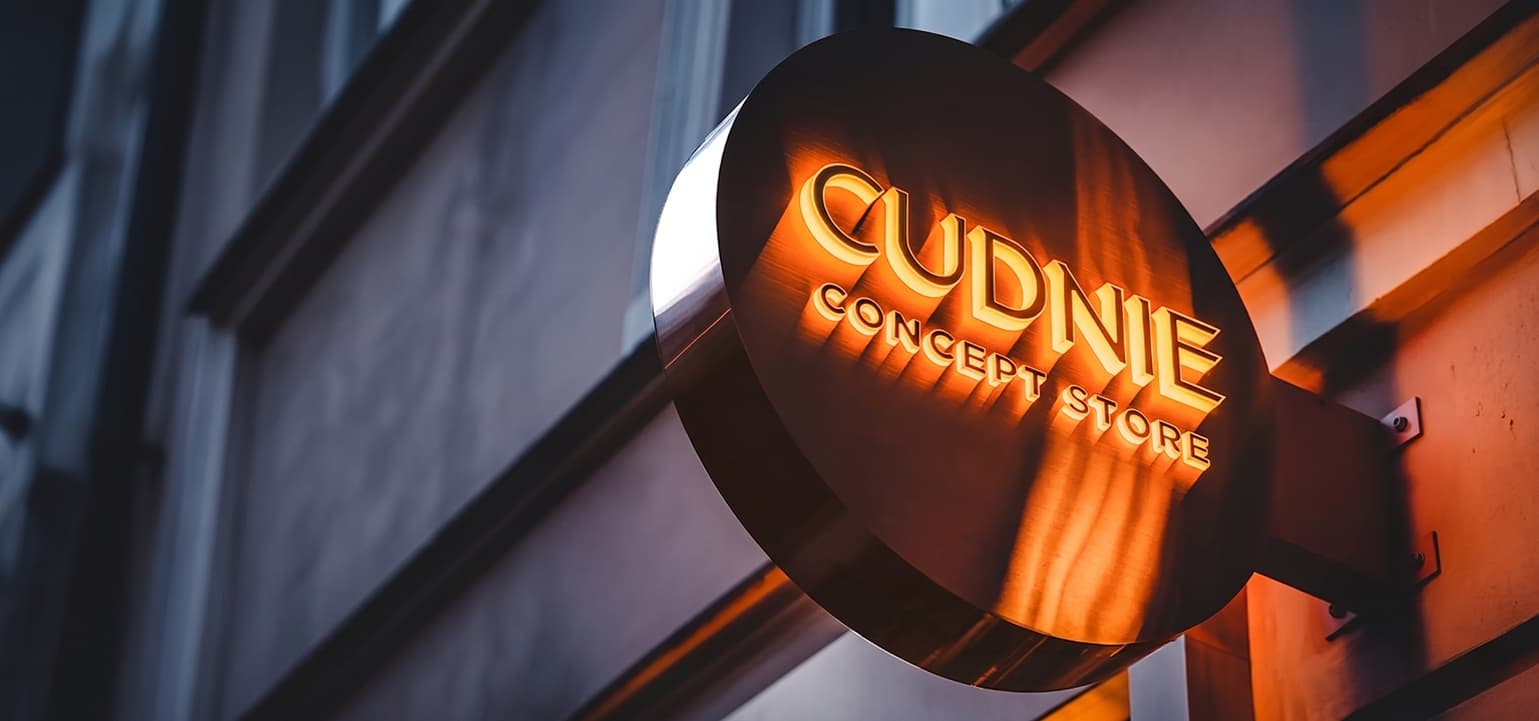
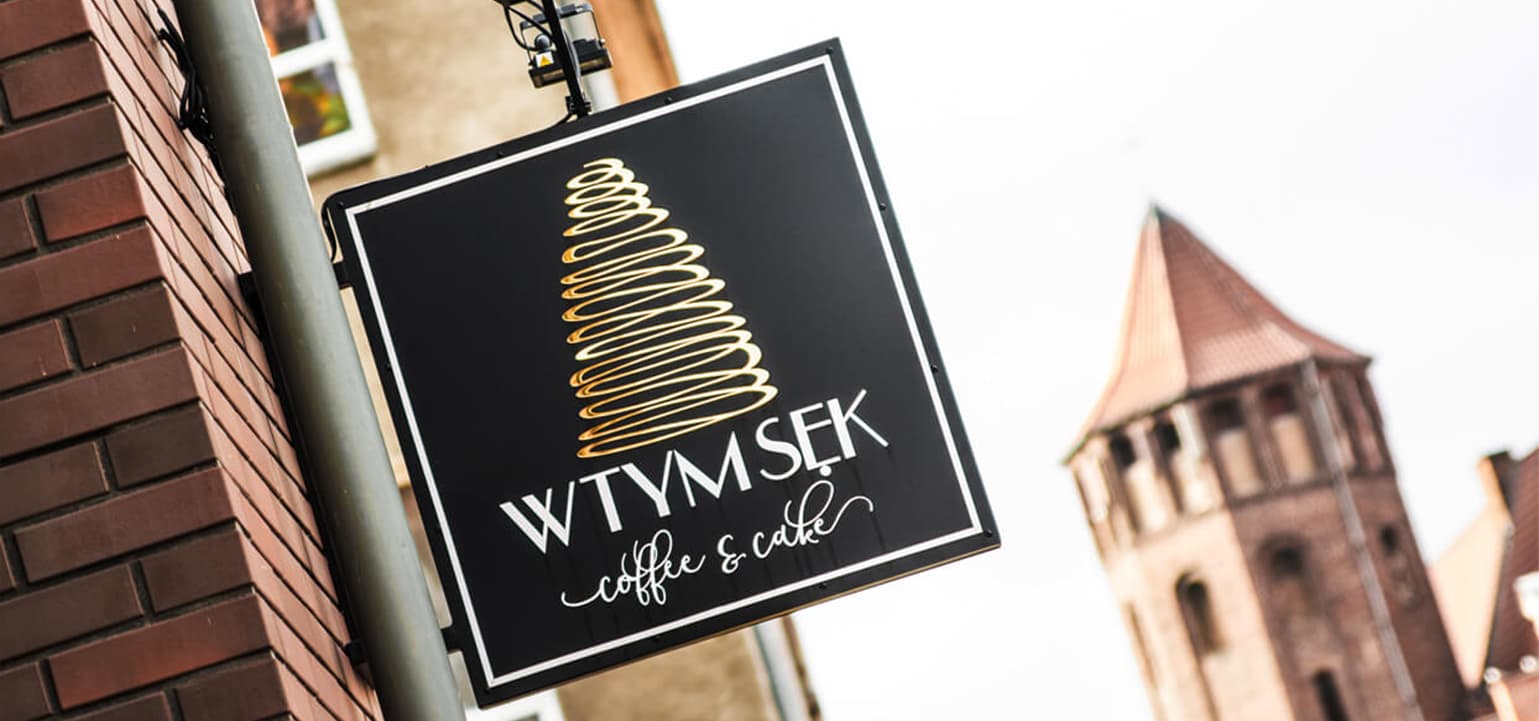
Completed PRETENDE systems showcase projecting signs designed according to the actual direction of traffic, the character of the façade, brand standards,
illumination technology and the method of mounting to the building. In this type of signage, quality is defined not only by the logo,
but also by the proportions of the unit, structural thickness, uniform light distribution, edge detailing, bracket aesthetics and the way
the sign performs along the street or pedestrian route. Each photo presents the real outcome of design and technical decisions:
how the projecting sign enhances storefront visibility, organizes the entrance and strengthens the first impression of the brand in the urban environment.

STAY
WITH US

JOIN PRETENDE INSIDER

Information on projects available exclusively to the PRETENDE Insider group - in advance of the market.