Custom glass neon signs.
Why does light mean something different here?

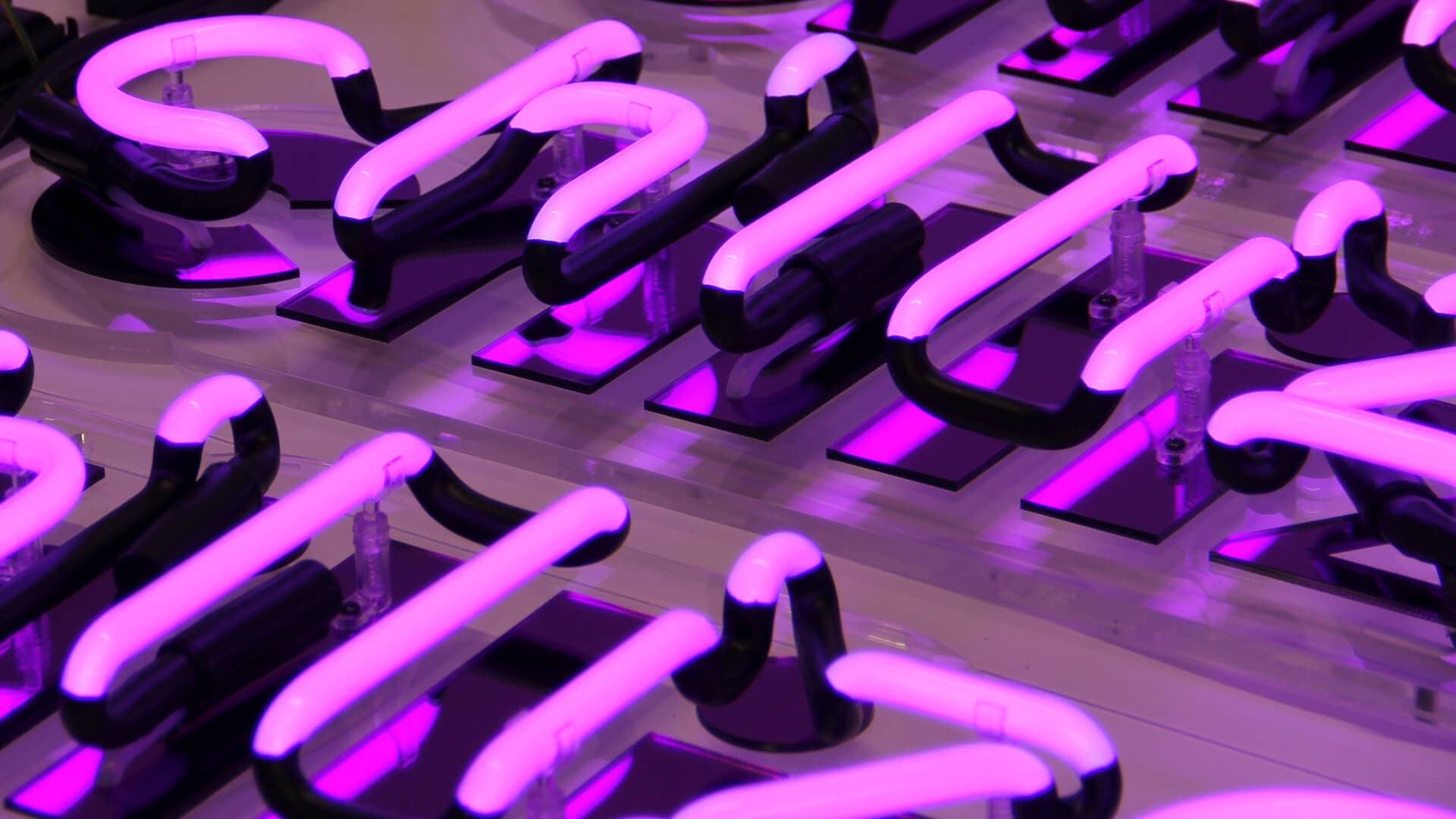
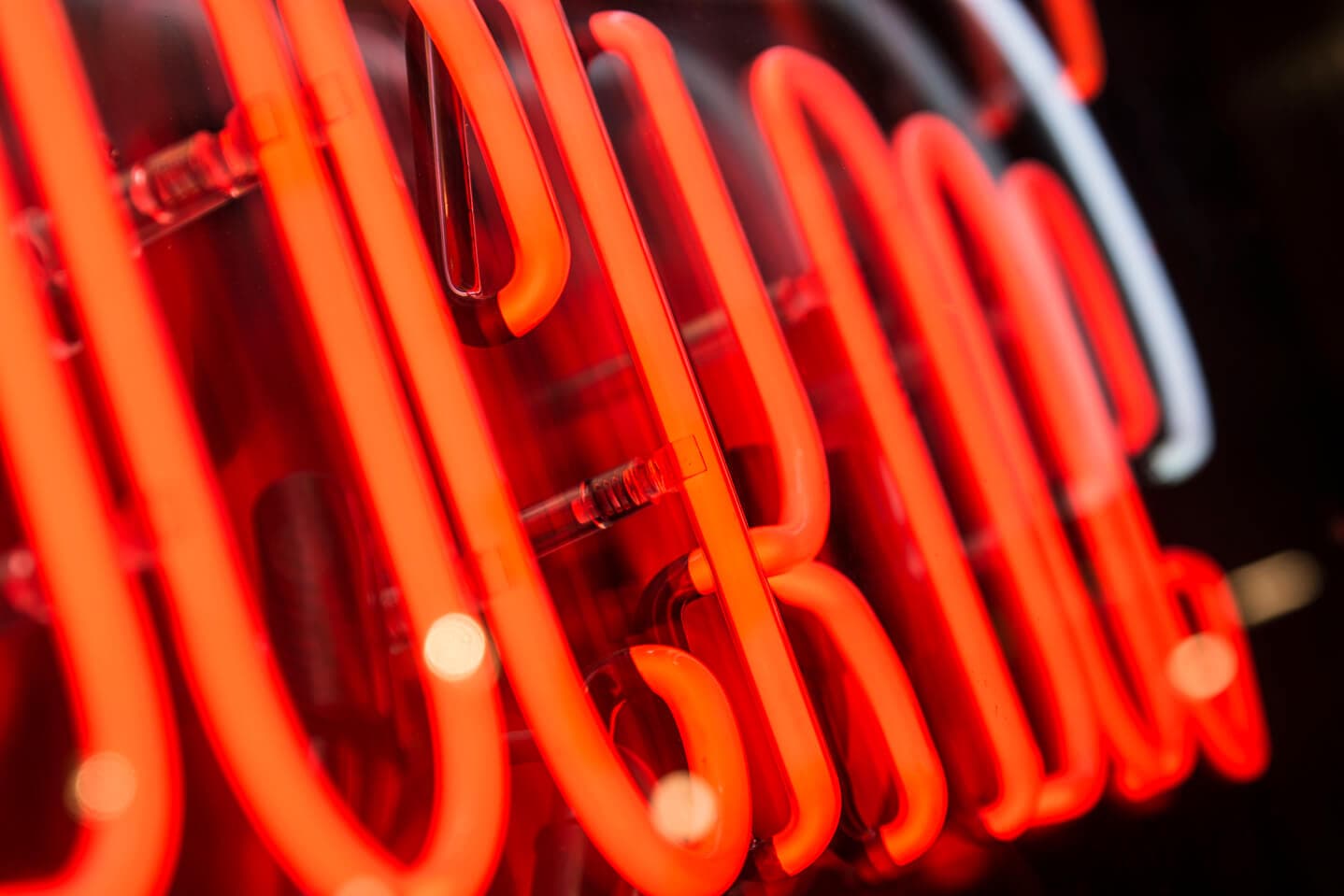
A glass neon sign is a light installation made from hand-bent glass tubes shaped into letters, logos, symbols or three-dimensional compositions. Light is produced by an electrical discharge in the gas inside the tube. Its colour depends on the type of gas, the glass and the phosphor coating used. Unlike LED neon signs, an original glass neon sign emits light directly from the glass tube. The glowing line not only highlights the shape of the sign—it creates it.

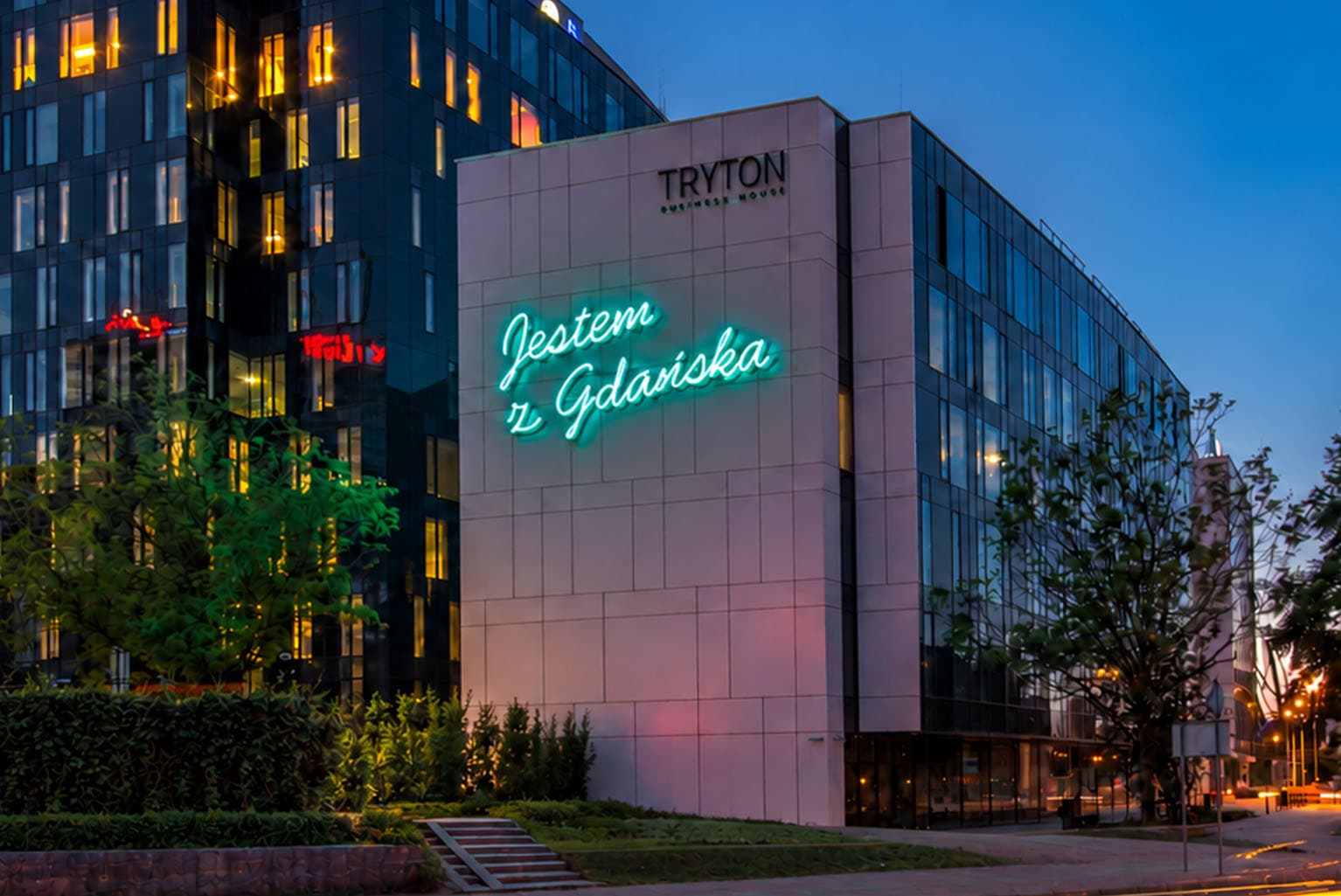
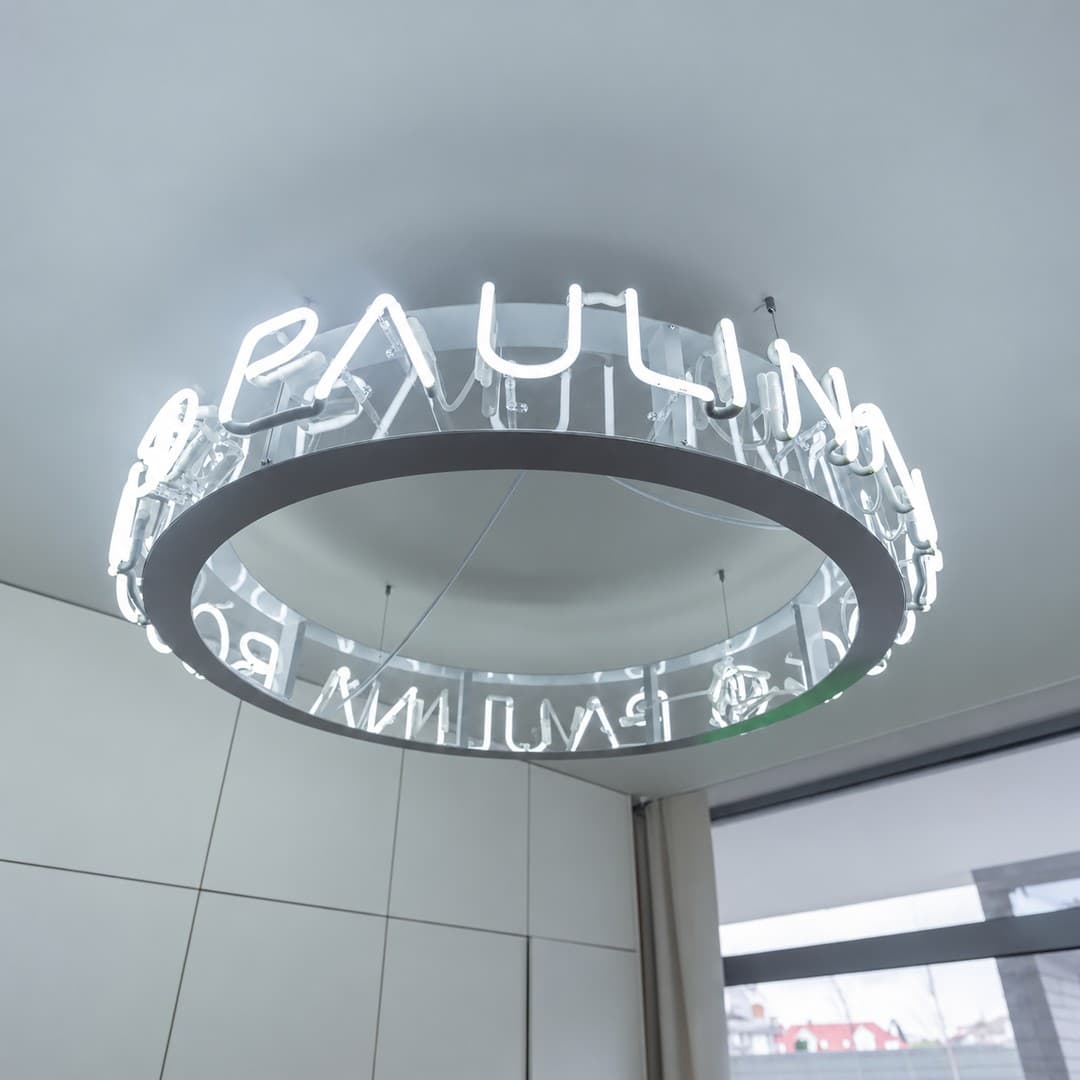
Custom glass neon signs are used in interiors, shop windows, on building façades and in artistic installations. They can form subtle lettering, distinctive advertising signs or elaborate light compositions. Their visual effect depends on the proportions, the diameter of the glass tubes, the path of the light line, the colour and the viewing distance. The surroundings and architecture, with which the neon forms a cohesive composition, are equally important.

The quality of a neon sign is determined not only by its appearance but also by how it is made. The division into glass sections, the placement of electrodes, the supporting structure, the fixings and the correctly selected power supply all affect its aesthetics, durability and ease of future servicing. Outdoor neon signs require particular solutions, as their construction and electrical installation must be adapted to changing weather conditions.

At PRETENDE, we design and make custom-sized glass neon signs, combining the traditional craft of hand-forming glass with modern technical design. We tailor each installation to its purpose, scale and display location, taking into account both the character of the light and the construction details. We deliver projects from start to finish, from concept and material selection through to production and installation. This makes the neon an integral part of the architecture, retaining its character even when it is not lit.
We provide quotes only by email or through the form.

Craftsmanship and our own neon workshop

EUROPEAN MANUFACTURER

At PRETENDE, we design and make bespoke, original glass neon signs in our own neon workshop. The sign’s purpose—from identifying an entrance and displaying a name visible from a distance to creating an artistic composition indoors—determines the letter proportions, the path of the glass tubes and the mounting method.

Hand-forming glass requires taking into account bend radii, spacing between lines and how the lettering is divided into sections. The design takes into account the material’s properties and the available production methods. Our own neon workshop allows us to check that the finished sign matches the design and intended lighting effect.

TRADITION AND TECHNOLOGY

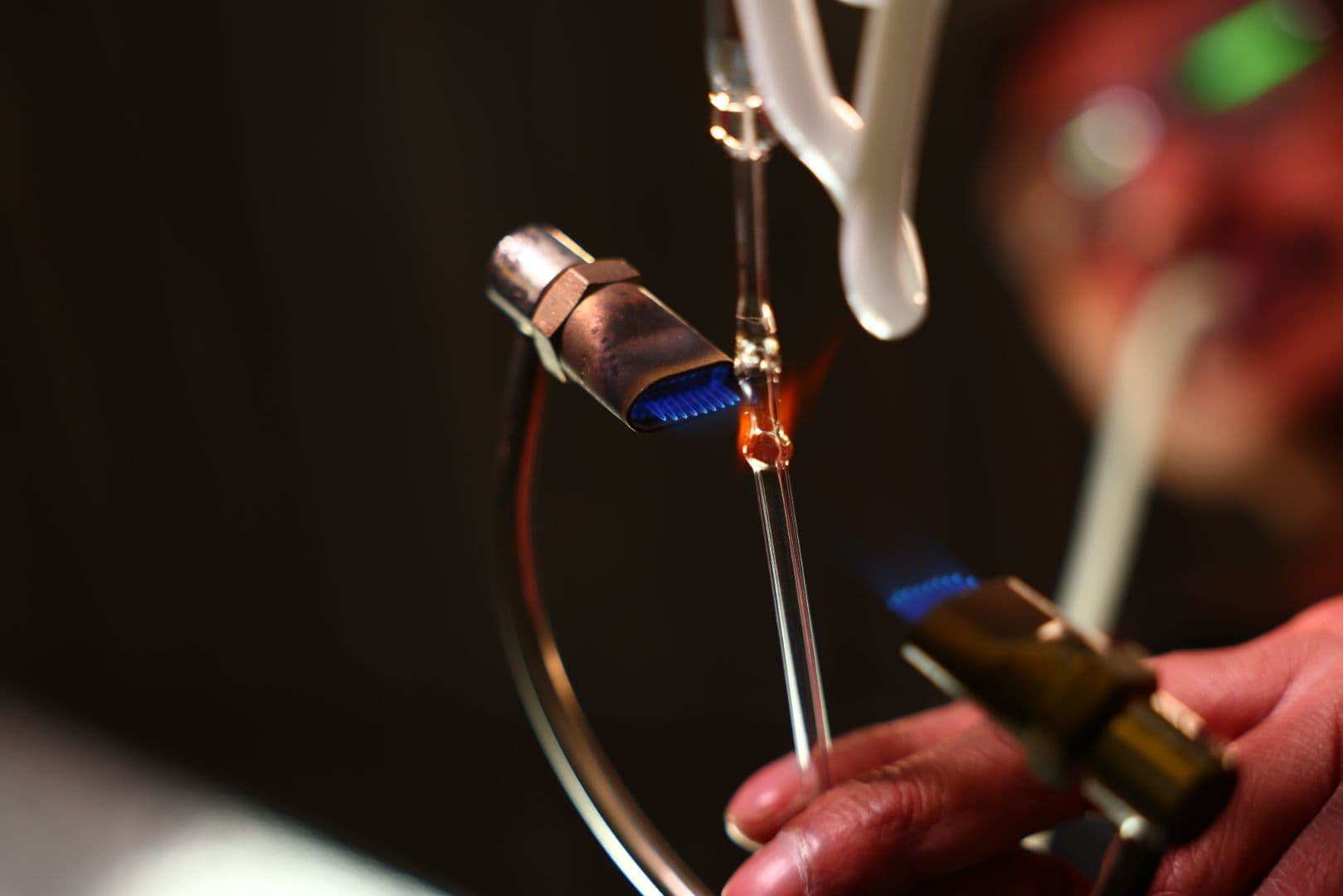
In the neon workshop, glass tubes are heated locally and shaped by hand according to a prepared design. Electrodes are attached to the formed sections, and the tubes are prepared for filling with the appropriate gas. The precision of the work affects the path of the illuminated line and the effect when the power is switched on.

Neon craftsmanship combines with structural design and component selection. The lighting, mounting and power supply are checked as one system. Inspecting the finished neon sign makes it possible to assess the shape of the lettering, the stability of the mounting and how the installation performs under the intended conditions.

  • European manufacturer
  • Tradition and technology

Not every illuminated sign is a real neon sign.

HOW LIGHT IS CREATED

In glass neon, light is produced by an electric discharge in gas sealed inside a tube. Hand-formed glass shapes the line of light that creates the lettering or composition. The power supply is selected to match the installation’s parameters, which are taken into account when designing the entire system.

In LED neon, the light source is diodes placed inside a diffusing profile. A glass tube filled with gas and a profile containing diodes are different constructions. Their use depends on the desired form, the display location, and the requirements for installation and system operation.

ICONIC GLOW

The light colour, glass tube diameter, distance from the background and ambient lighting all shape how a neon sign is perceived. The same installation looks different on a dark indoor wall than on a light-coloured façade. The colour of the glass and the coatings used also determine how the neon sign looks when switched off.

Conditions at the installation site provide a reference point for assessing the lighting effect. Camera settings can alter how the neon sign’s colour and brightness appear in a photograph. When matching a colour precisely, a sample or a comparison of the available light options helps assess the actual effect.

  • How light is created
  • Distinctive glow

A neon sign that works in harmony with the architecture

MORE THAN JUST TECHNOLOGY

Neon legibility depends on the proportions of the lettering, the shape of the letters and the viewing distance. A subtle detail visible up close may be hard to read on a façade mounted high above. The design therefore needs to be assessed at its intended dimensions, using a photograph or drawing of the installation site.

The colour and texture of the background, as well as nearby light sources, affect how the installation is perceived. The placement of fixings, cables and support elements is determined before production, taking the neon’s form into account. Larger installations require planning how to divide them into sections and provide access to individual parts.

ATMOSPHERE AND THE IDENTITY OF A PLACE

A glass neon sign can identify a brand, highlight an entrance or give an interior a distinctive character. The colour and intensity of the light depend on the purpose of the space and the installation’s relationship with its surroundings. An intimate reception area and a sign on a building’s roof call for different scales and consideration of viewing distances.

Exterior signage design takes into account neighbouring windows, pedestrian traffic and the sign’s visibility from different directions. The installation location is agreed with the property owner or manager. Aligning the signage’s function with the conditions of the site allows the neon sign to become part of the building’s architectural composition.

  • More than just technology
  • Atmosphere and identity of the place

Design and production of glass neon signs

FROM SIGNAGE TO ART INSTALLATIONS

At PRETENDE, we design and create lettering, logos and art installations using hand-formed glass tubes. The design can be based on a visual identity, a sketch or a description of an idea. We translate each concept into an arrangement of glass lines tailored to the possibilities of glass forming.

For lettering, legibility and letter proportions are key; for art installations, the relationship between light and the other materials matters too. Both the lighting effect and the neon’s appearance in daylight are assessed, when the glass, fixings and structure remain visible.

EVERY STAGE IN OUR OWN NEON WORKSHOP

In our neon workshop, we develop the design, shape the glass by hand, select the components and test the finished assembly. The design includes the supporting structure and the cable routing. The neon is divided into glass sections based on the shape of the lettering, transport conditions and installation method.

We determine the power supply location and access to the installation before production begins. The layout of the components and mounting points should allow for future servicing and replacement of individual glass sections. Taking service requirements into account at the design stage makes it easier to maintain and repair the neon after installation.

TAILORED TO YOUR REQUIREMENTS

We develop a custom neon design based on the graphic, approximate dimensions and photos of the installation site. The mounting height, substrate type and operating conditions indoors or outdoors determine the structural requirements. This information helps us select the mounting method and define the scope of work.

We select the glass, light colour and background as elements of a single composition. For existing signage, we review detailed photos and any available archival documentation. These help us determine whether the project involves a new interpretation of the original design, recreating the neon or work on the existing installation.

  • From lettering to art installations
  • Every stage in our own neon workshop
  • Custom fit

"TRADITIONAL GLASS NEON" GENERAL CELEBRITY GALLERY

STAY
WITH US

JOIN PRETENDE INSIDER

Information on projects available exclusively to the PRETENDE Insider group - in advance of the market.