FREESTANDING PYLONS AND TOTEMS
ARCHITECTURAL SYSTEMS
FOR BRAND IDENTIFICATION AND WAYFINDING


PRETENDE designs, manufactures and delivers pylons, freestanding totems, entrance welcome signs and informational monoliths as premium architectural signage systems for brands, buildings and commercial environments.

A PRETENDE pylon is not just a standard advertising structure. It is the first physical expression of the brand in space, visible to the customer, guest, driver, tenant or business partner even before entering the property. Each system is designed with careful consideration of proportions, materials, structure, illumination, visibility, foundations, installation, servicing and long-term performance. The goal is not only logo visibility, but also the organization of the entrance, location clarity and a strong first impression.

At PRETENDE, a pylon is designed as an integral part of the site architecture: aligned with the brand, the building, the surroundings, traffic approach, viewing distance and the status of the space.

- We analyze the location and context
- We recommend a specific type of pylon
- We design a solution to fit the site
- We manufacture and prepare for installation
- We implement without involving several companies
We lead the process. You approve the decisions. The effect shows up in the space. You pay once. The effect stays
- No subscription
- No recurring fees
- No dependence on a supplier
You buy a pylon once. Visibility works for you every day after installation.

What are pylons and totems

THE FIRST PHYSICAL TOUCHPOINT IN FRONT OF THE BUILDING

A freestanding pylon often determines the first impression before entering a facility. It can indicate the entrance, identify the company headquarters, organize tenants, guide customers to a showroom, or serve as a representative welcome feature at a development site.

A well-designed pylon works around the clock. During the day, it builds brand recognition through its form, scale, color, and materials. After dark, it performs through light, contrast, and legibility.

VARIOUS TYPES OF FREESTANDING SIGNAGE

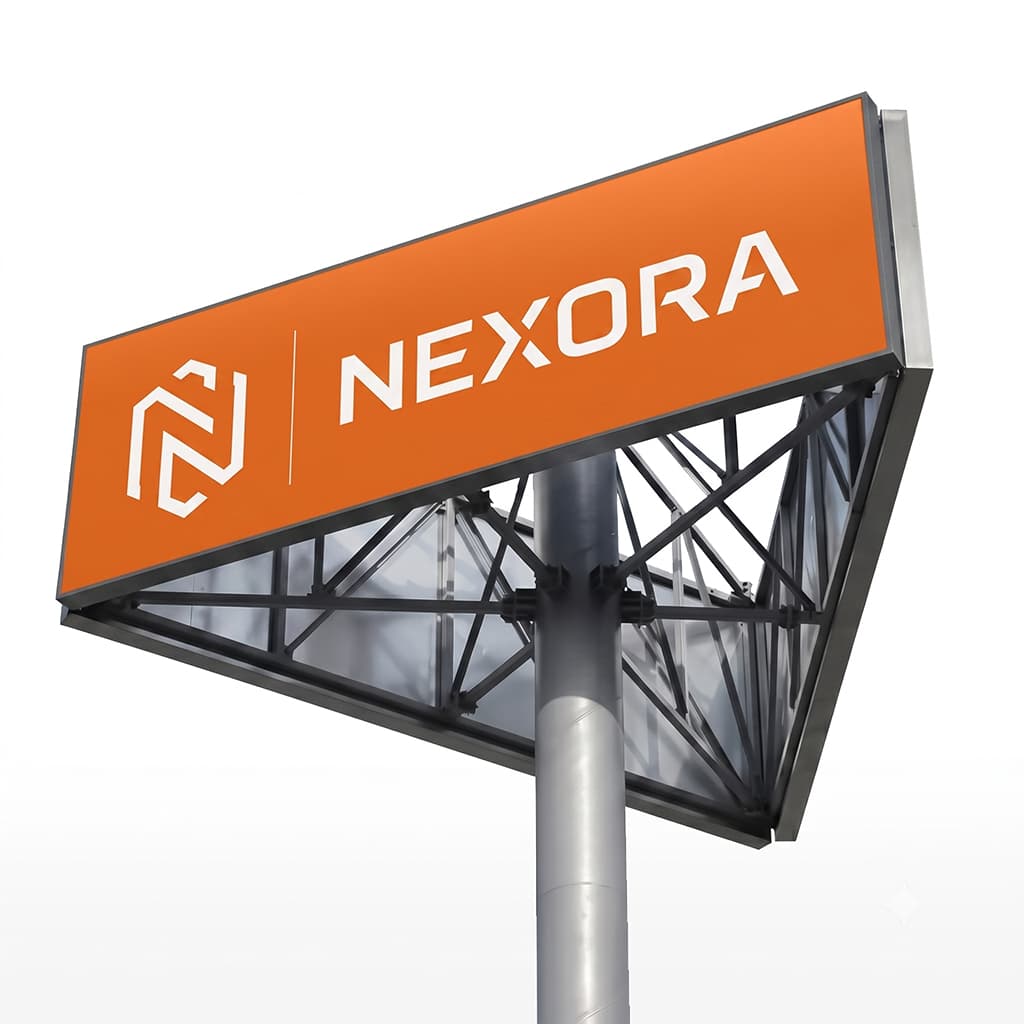
A pylon is a freestanding identification sign typically installed along roads, at entrances, parking areas, building fronts or facility entry points. It can be single-sided, double-sided, illuminated, non-illuminated, low-profile, tall, simple in design or technologically advanced.

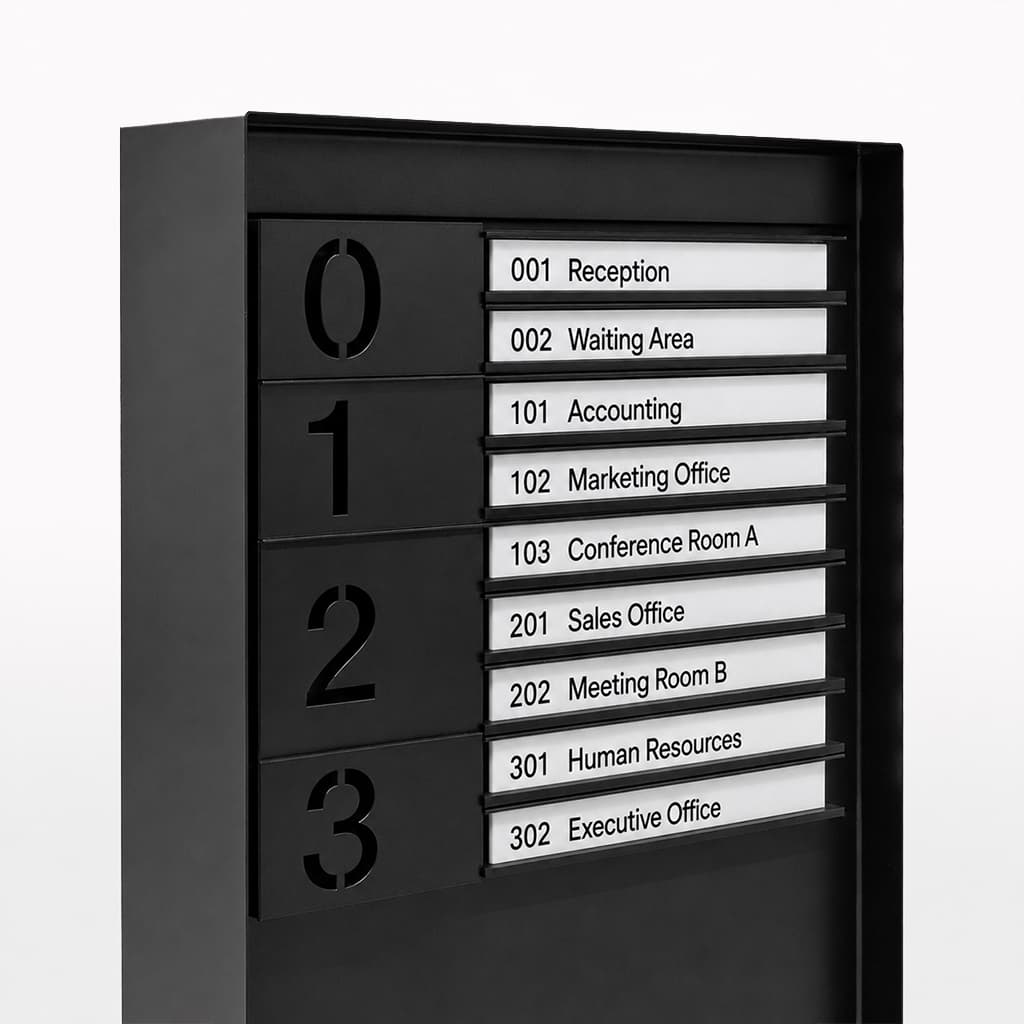
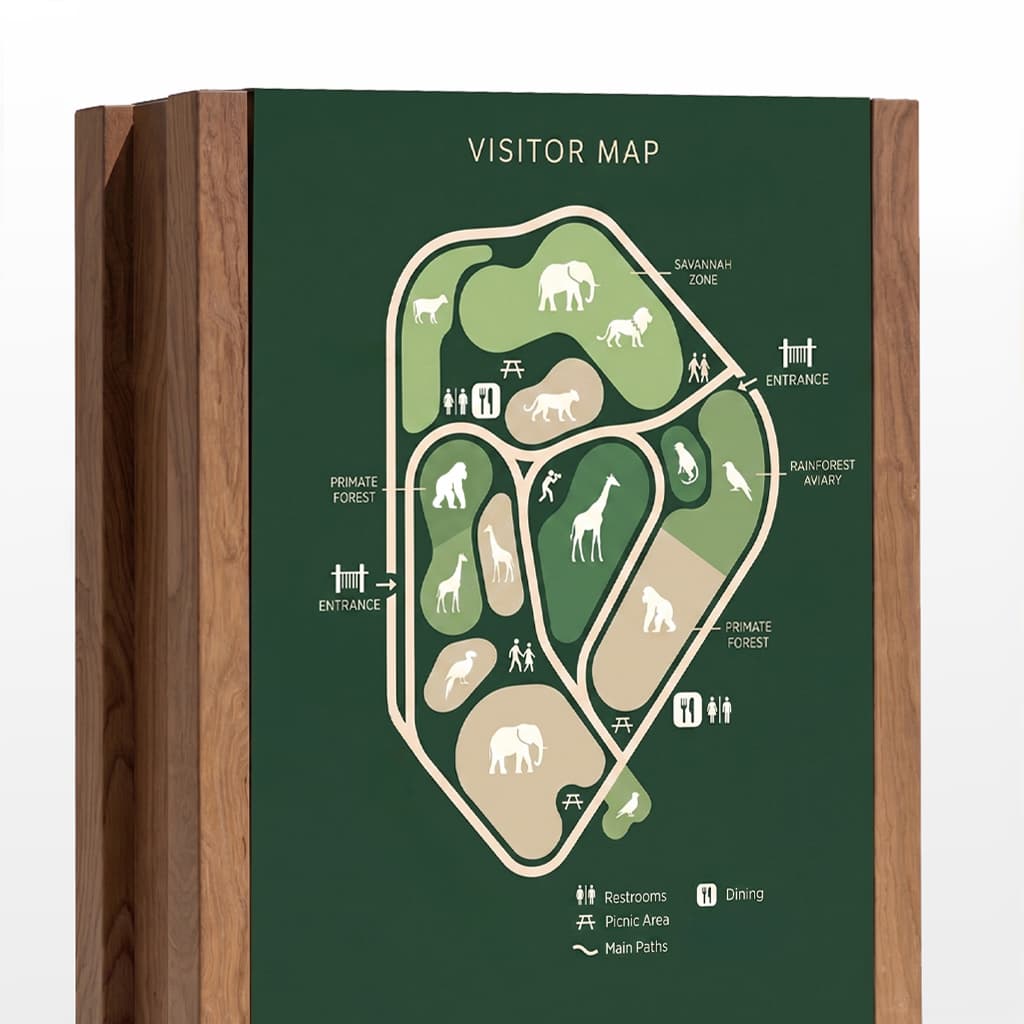
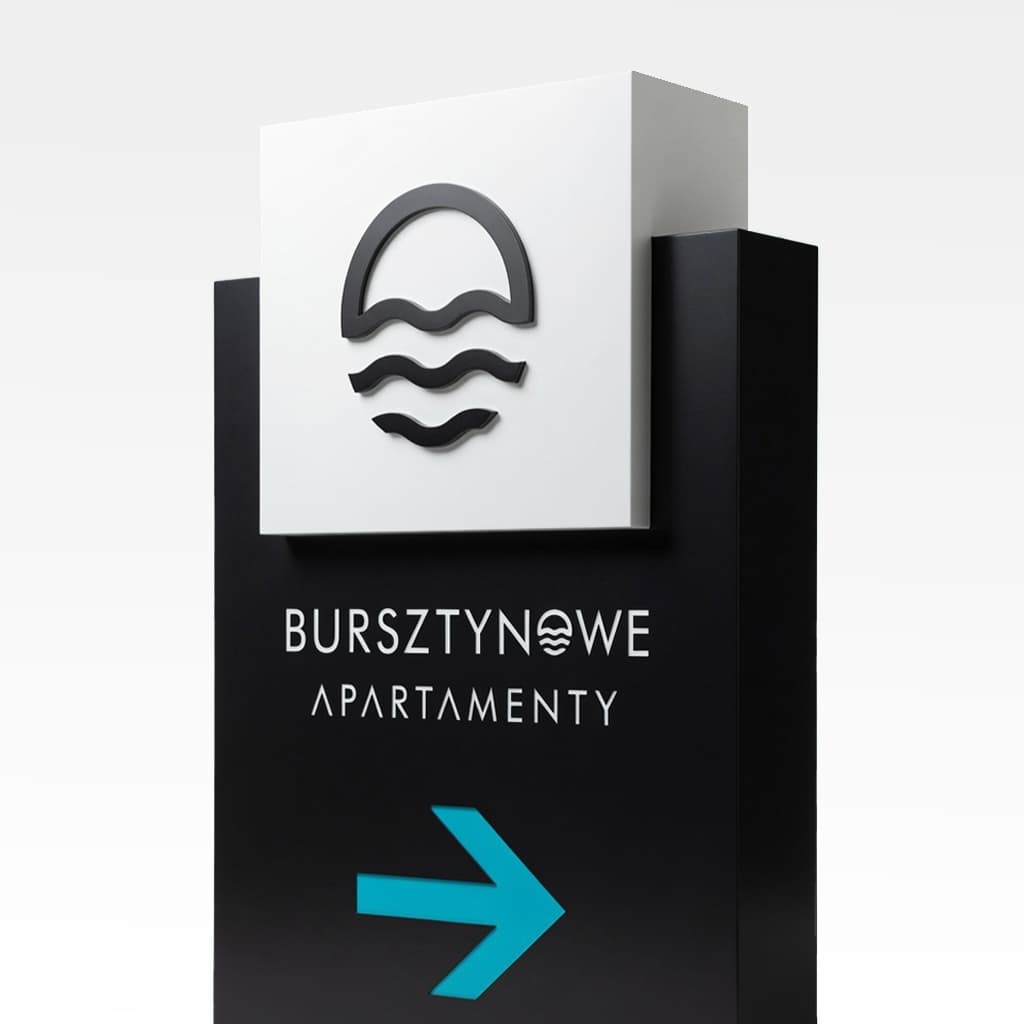
A freestanding totem is a vertical signage system commonly used at hotels, office buildings, car dealerships, shopping malls and commercial properties. An information monolith usually features a more compact, architectural form and works particularly well at entrances, company headquarters and premium developments.

FROM LOGO DISPLAY TO A COMPLETE SITE IDENTITY SYSTEM

A standard advertising pylon often focuses primarily on logo visibility. The PRETENDE pylon integrates brand exposure with site architecture, structure, materials, lighting, installation and long-term performance.

We analyze how the sign will be seen from the road, how it integrates with its surroundings, how it performs at night, how it will be serviced and what status it gives to the location. The difference is not just in production. The difference lies in taking responsibility for the entire decision.

  • Branding and Entrance Signage
  • Pylon, Totem and Monolith
  • Not just an advertising medium

Construction, light and durability

THE PYLON MUST BE DESIGNED FOR REAL-WORLD CONDITIONS

Freestanding pylons and totems operate in demanding environments. They are exposed to wind, moisture, temperature fluctuations, UV radiation, dirt, vibrations, mechanical damage, and constant visual exposure.

That is why we analyze the foundation method, internal structure, type of housing, mounting system, stability, service access, power supply routing, and the sign’s operating conditions after installation.

THE MATERIAL DEFINES BRAND PERCEPTION AND SYSTEM DURABILITY

PRETENDE pylons and totems can be manufactured from aluminium, steel, composites, acrylic, metal components, 3D elements, CNC‑milled faces, powder‑coated surfaces, brushed, satin or matte finishes, or individually selected materials tailored to the character of the investment.

Material selection should not be based solely on price. The material impacts durability, resistance, surface ageing, the quality of the first impression and consistency with the building’s architecture.

ILLUMINATION IS PART OF THE SYSTEM, NOT AN ADD-ON

Lighting in a pylon sign must be even, controlled, legible, and aligned with the brand’s character. Illumination can highlight the logo, the face panel, dimensional elements, routed surfaces, or selected parts of the sign.

As standard at PRETENDE, LED technology, diffusion, color temperature, element depth, service access, and cable routing are considered as one integrated technical decision.

  • Structure and Foundation
  • Materials and Finishing
  • Light and Legibility

Application and personalization

FOR BRANDS, PROPERTIES AND LOCATIONS THAT MUST BE CLEARLY VISIBLE

PRETENDE pylons and totems are designed for investors, developers, hotels, office buildings, shopping malls, retail parks, showrooms, premium brands, service facilities, manufacturing companies, public spaces and architects.

This is a solution for locations where signage is expected to guide, inform, build brand recognition and enhance the prestige of the property.

FROM ENTRANCE MONUMENT SIGNS TO MULTI-TENANT SYSTEMS

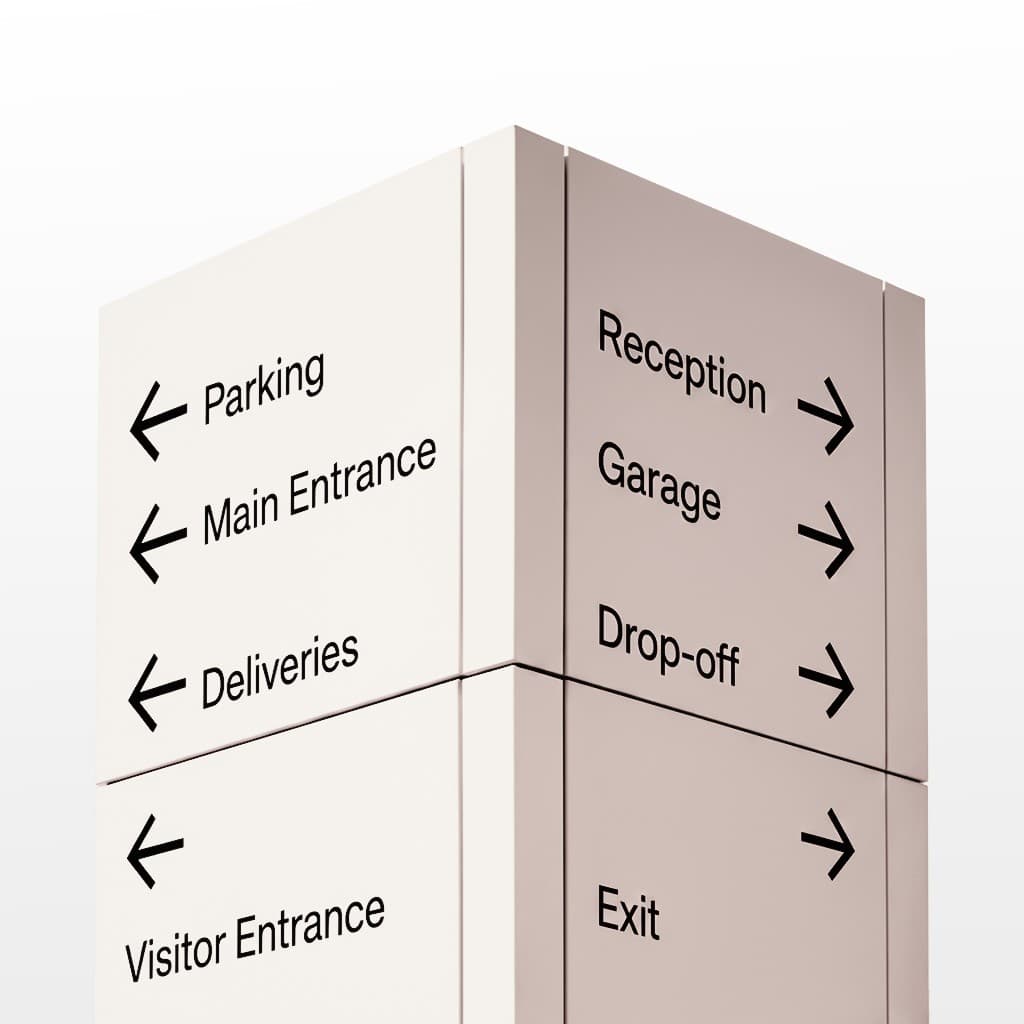
PRETENDE designs and manufactures single-sided pylons, double-sided pylons, freestanding totems, entrance monument signs, informational monoliths, entrance signage, LED illuminated pylons, pylons with 3D elements, directional pylons and multi-tenant signage systems.

Depending on the project, a pylon can serve a representative, informational, directional, branding or commercial function. It may act as the main sign in front of a building, an element at the site entrance, a zone marker or part of a larger wayfinding system.

EVERY SITE HAS A DIFFERENT SCALE, ACCESS, ARCHITECTURE AND VISUAL CONTEXT

PRETENDE pylons and totems are not selected from a standard catalog. Customization covers height, proportions, logo layout, material, color, lighting technology, foundation method, service access and finishing character.

A pylon can be minimalist, hospitality-style, technical, elegant, retail-focused, industrial, prestigious or very discreet. What matters most is that it fits the location and does not compromise the quality of the architecture.

  • For which types of facilities
  • Types of pylons and totems
  • Location-Based Personalization

Process and Responsibility

FROM SITE ANALYSIS TO A COMPLETE FREESTANDING SIGNAGE SYSTEM

The process begins with an analysis of the location, the function of the signage and the expected visual impact. We assess where the pylon sign will be installed, from what distance it needs to be legible, how it will appear during the day and after dark, how it integrates with the architecture, and which technical conditions must be taken into account.

Next, we develop the concept and technical design. We define the proportions, structural system, lighting technology, materials, color scheme, logo layout, foundation method and service access. Once the design is approved, we move on to production, logistics and installation.

DESIGN, MATERIALS, LIGHTING, STRUCTURE AND INSTALLATION IN ONE PROCESS

At PRETENDE, we take responsibility for the entire process as standard: site analysis, concept development, design, technology, material selection, structural engineering, production, logistics and installation.

This approach minimizes the risk of errors, inconsistencies and shifting responsibility between contractors. The client receives not a single advertising element, but a complete signage system ready to perform in real-world environments.

LOCATION, SIZE, FUNCTION, BRAND AND INSTALLATION CONDITIONS

For the initial assessment, we require: photos of the site, the approximate location of the pylon sign, the expected dimensions, the logo or scope of information, the function of the signage, details regarding visibility from the road, parking area or entrance, as well as the preferred daytime and nighttime effect.

It is also worth specifying whether the pylon sign should be single-sided or double-sided, illuminated or non-illuminated, informational, directional or representative, and whether it is intended for a single brand or multiple tenants.

  • PRETENDE Process
  • Scope of Responsibility
  • What to Send for a Quote

THE FIRST SIGN THAT CONFIRMS THE STANDARD OF THE PLACE

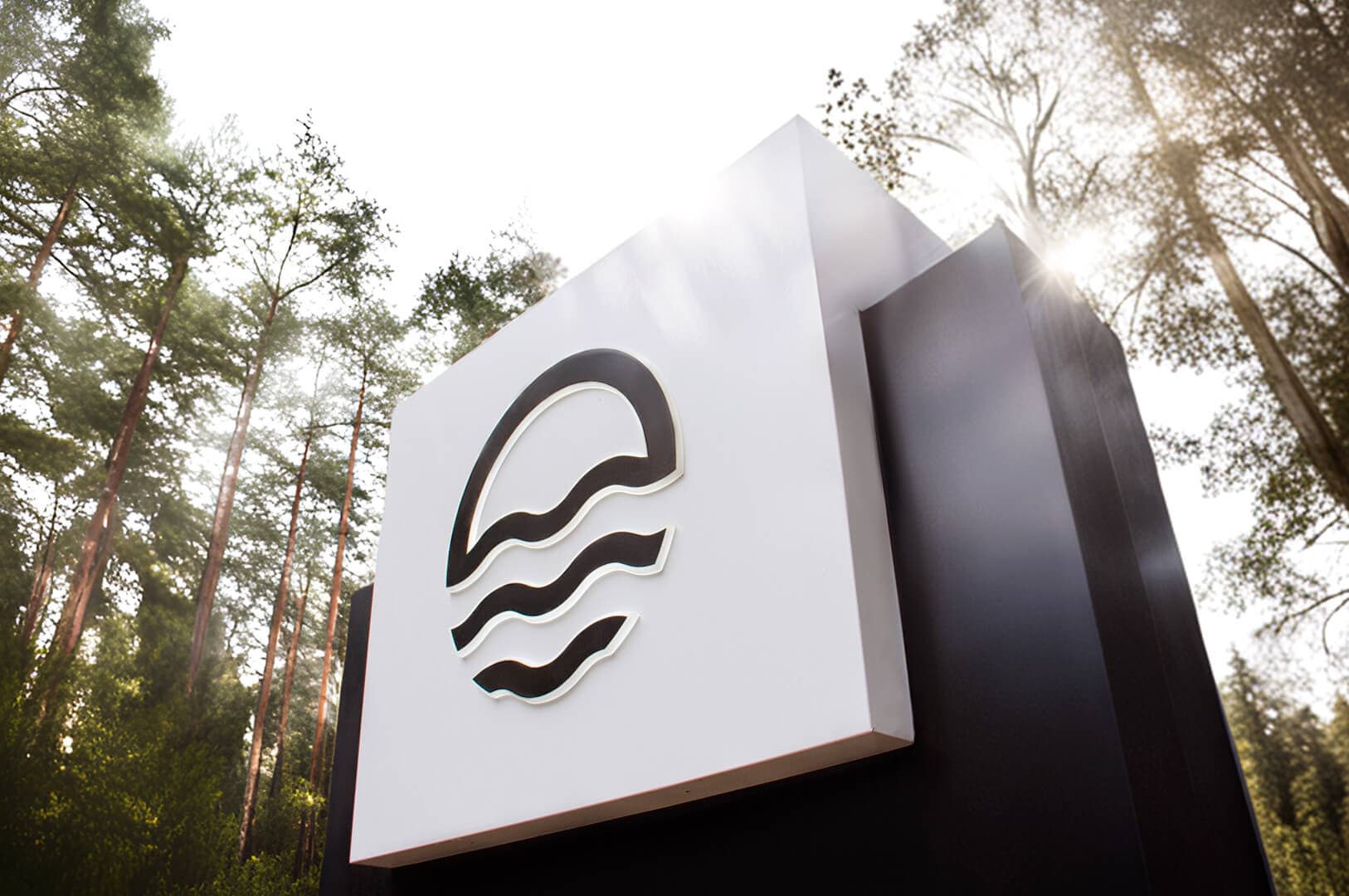
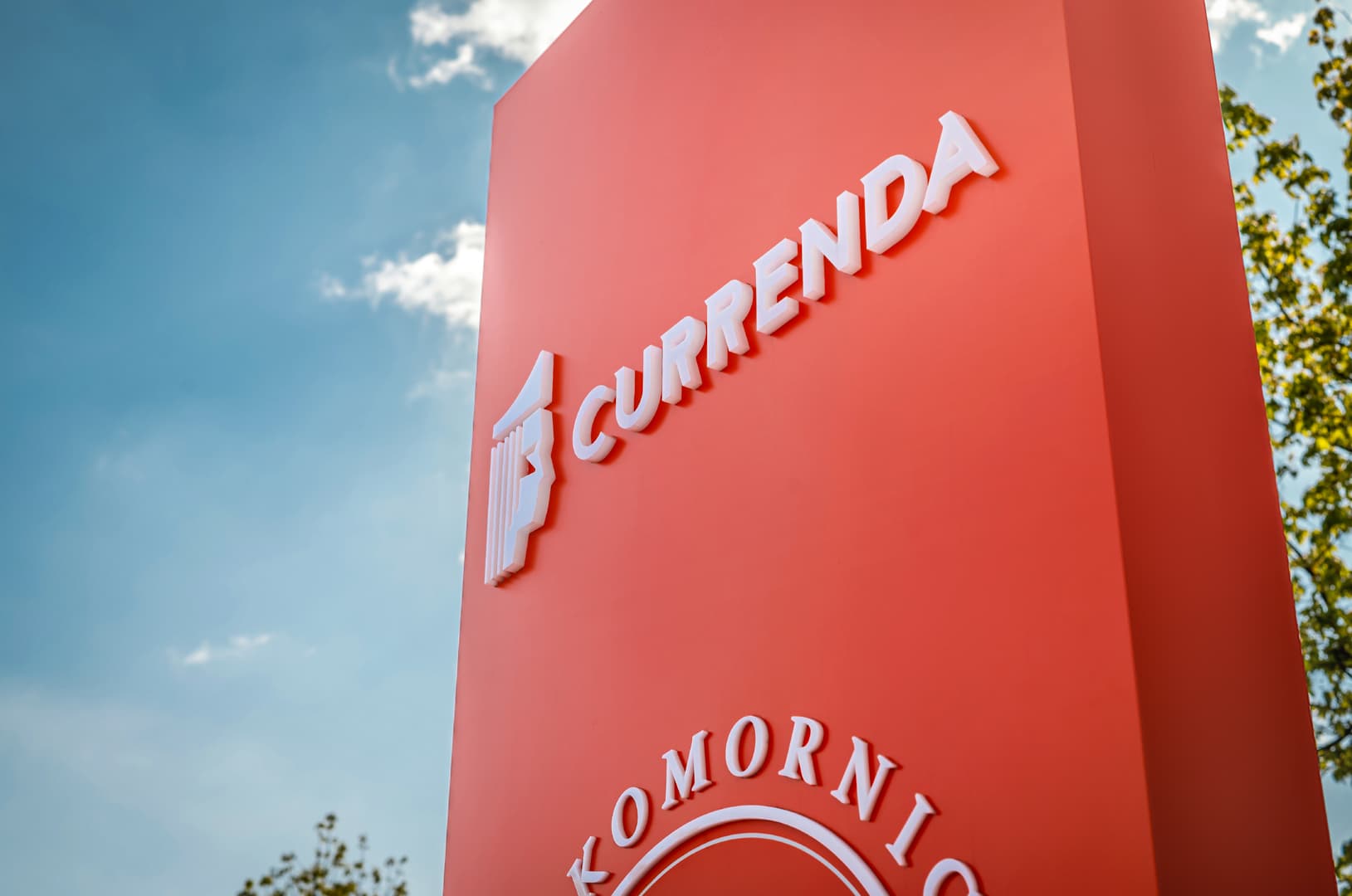
The presented PRETENDE systems showcase pylons, totems and freestanding monoliths in spaces
where signage operates in front of the building, at the entrance driveway, by the parking area or within the entrance zone.
The quality of these systems is defined not only by the logo, but also by proportion, material, light, structure, installation,
long-distance visibility and the relationship between the sign and the building’s architecture.
Each image presents a fragment of a technical decision: how the pylon guides users, identifies the location, organizes the surroundings
and enhances the brand’s first impression.

STAY
WITH US

JOIN PRETENDE INSIDER

Information on projects available exclusively to the PRETENDE Insider group - in advance of the market.